
For many families, “Thanksgiving” gets wrapped in a myth about friendly feasts. The real history includes land theft, broken treaties, and ongoing harms to Native nations. Kids deserve honest, age-appropriate language and hopeful paths forward. These 10 picture books spark conversations about community care, reciprocity, and gratitude without glossing over the truth.
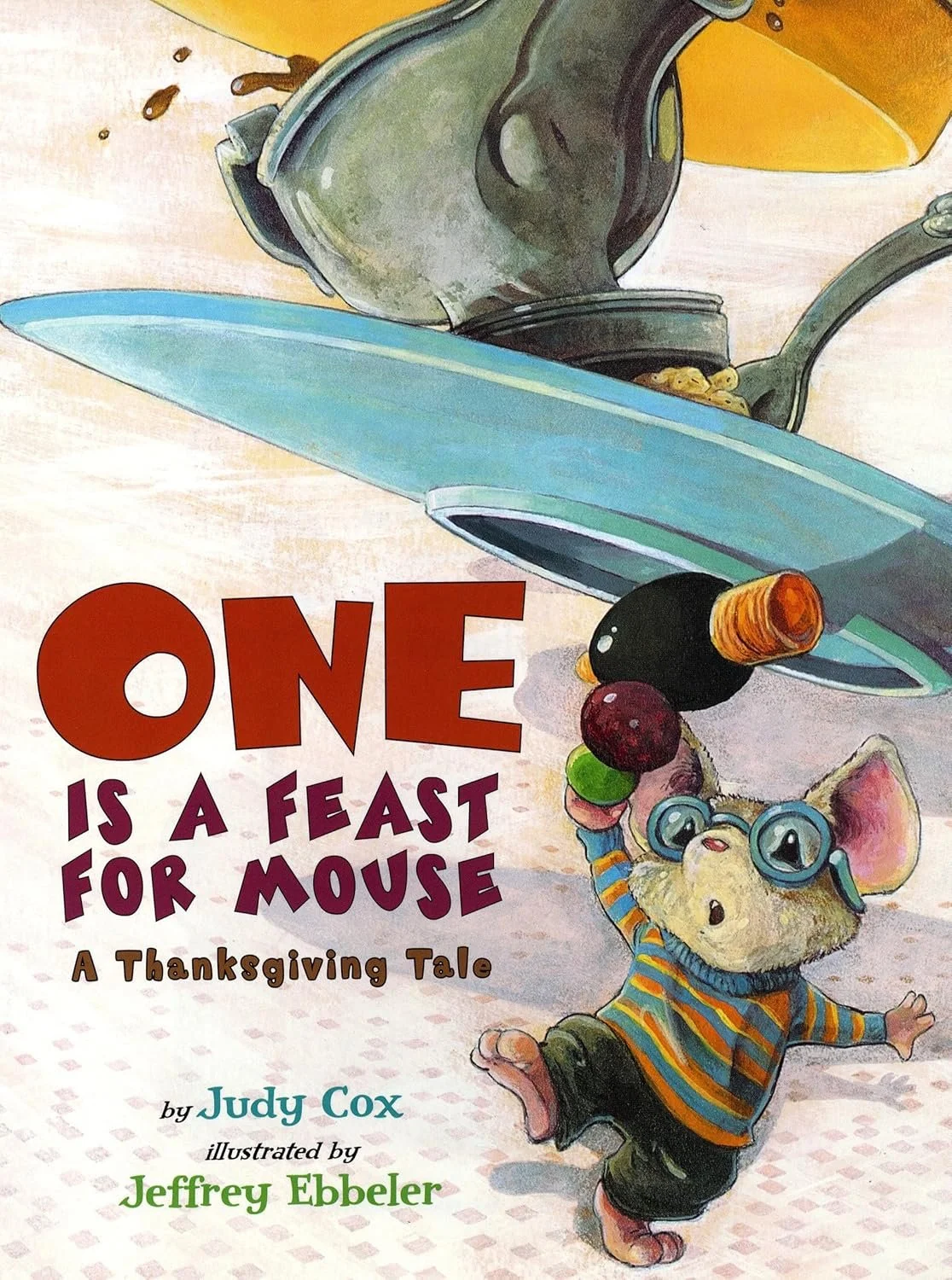
📖 "One is a Feast for Mouse”
by Judy Cox
A tiny mouse learns that enough is a feast. Great entry to talk about needs vs. wants, sharing, and the joy of “just enough.”

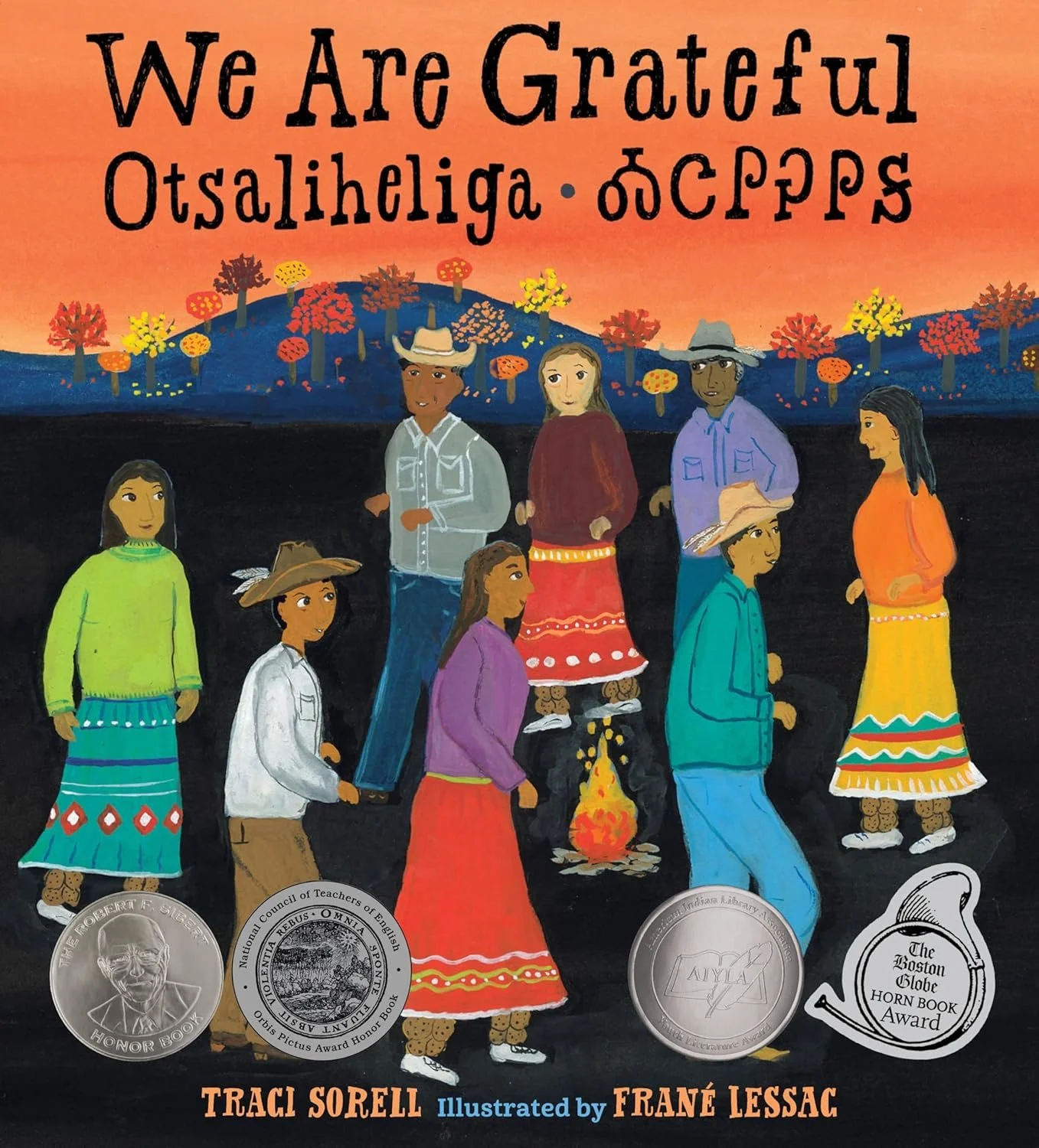
📖 "We Are Grateful"
by Trace Sorell
A contemporary Cherokee family practices gratitude year-round, community, language, seasons. Ideal for moving beyond a single holiday.
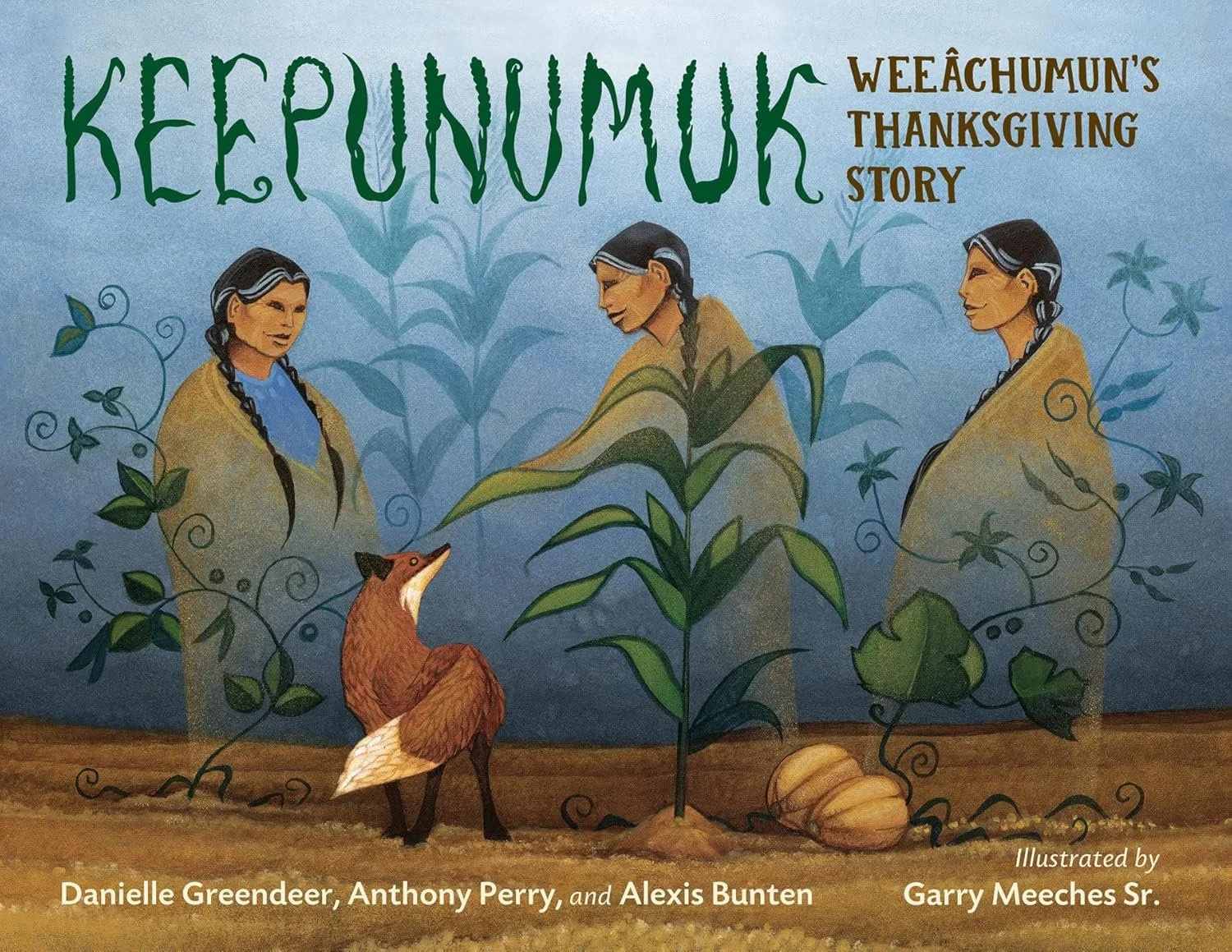
📖 “Keepunumuk: Weeâchumun’s Thanksgiving Story”
by Alexis Bunten, Danielle Greendeer, Anthony Perry
Wampanoag authors retell the origin story from Weeâchumun (corn)’s point of view, centering Native knowledge and reciprocity instead of a feel-good myth.
📖 "Giving Thanks: A Native American Good Morning Message"
by Chief Jake Swamp
The Mohawk Thanksgiving Address widens gratitude to waters, plants, animals, and sky relatives; perfect for a class call-and-response ritual.
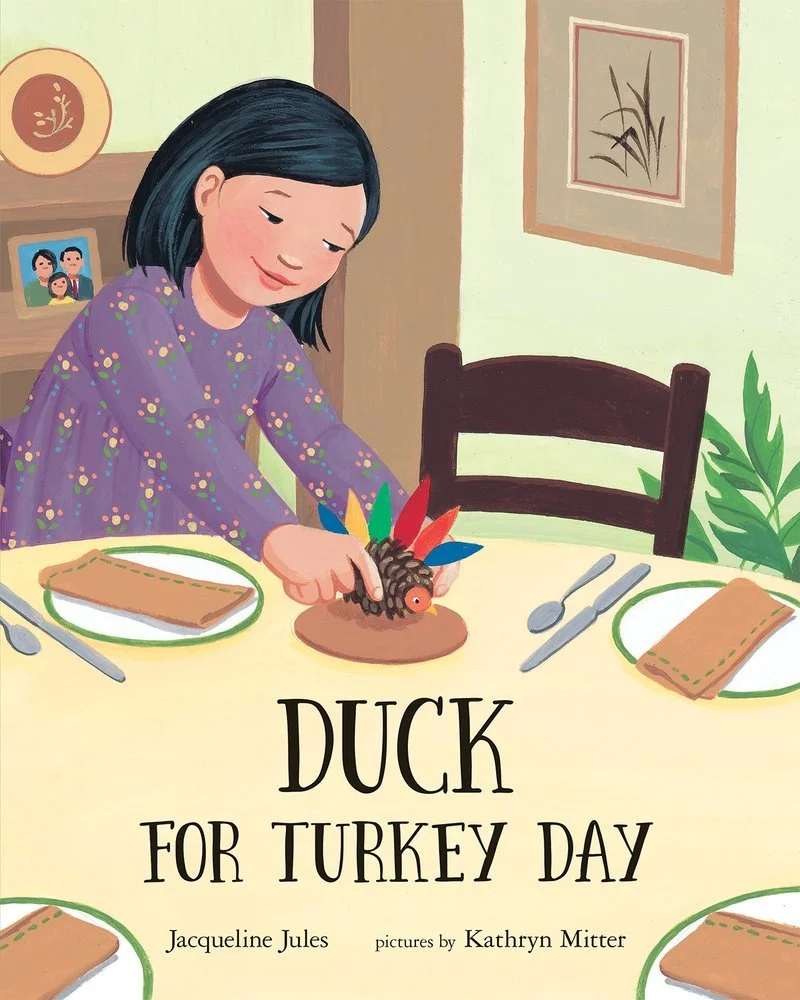
📖 "Duck for Turkey Day!"
by Jacqueline Jules
A classroom discovers that many traditions belong at the table. Centers belonging over conformity.
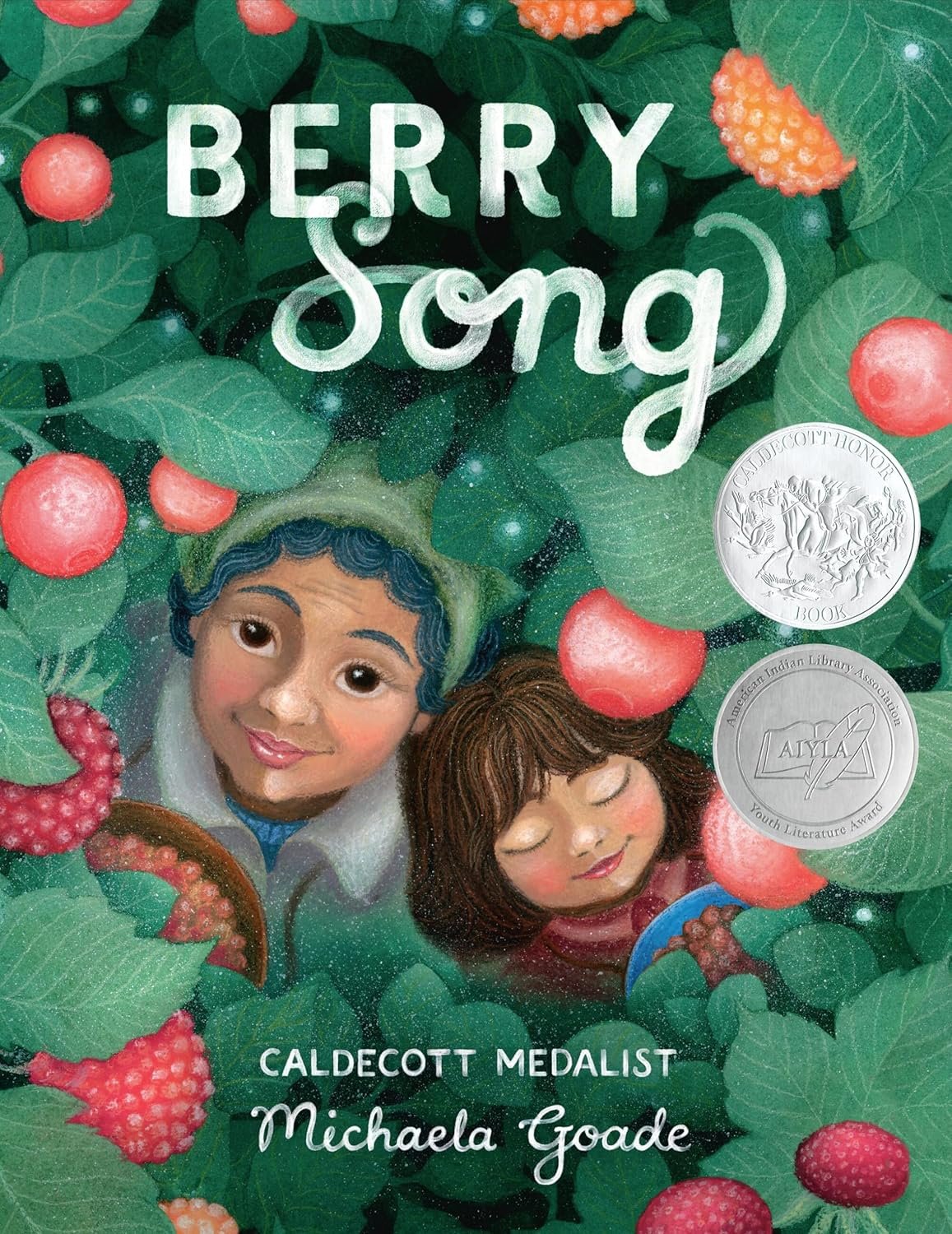
📖 "Berry Song"
by Micheala Goade
A Tlingit family forages with gratitude and care, modeling relationship with land and the ethics of taking only what we need.
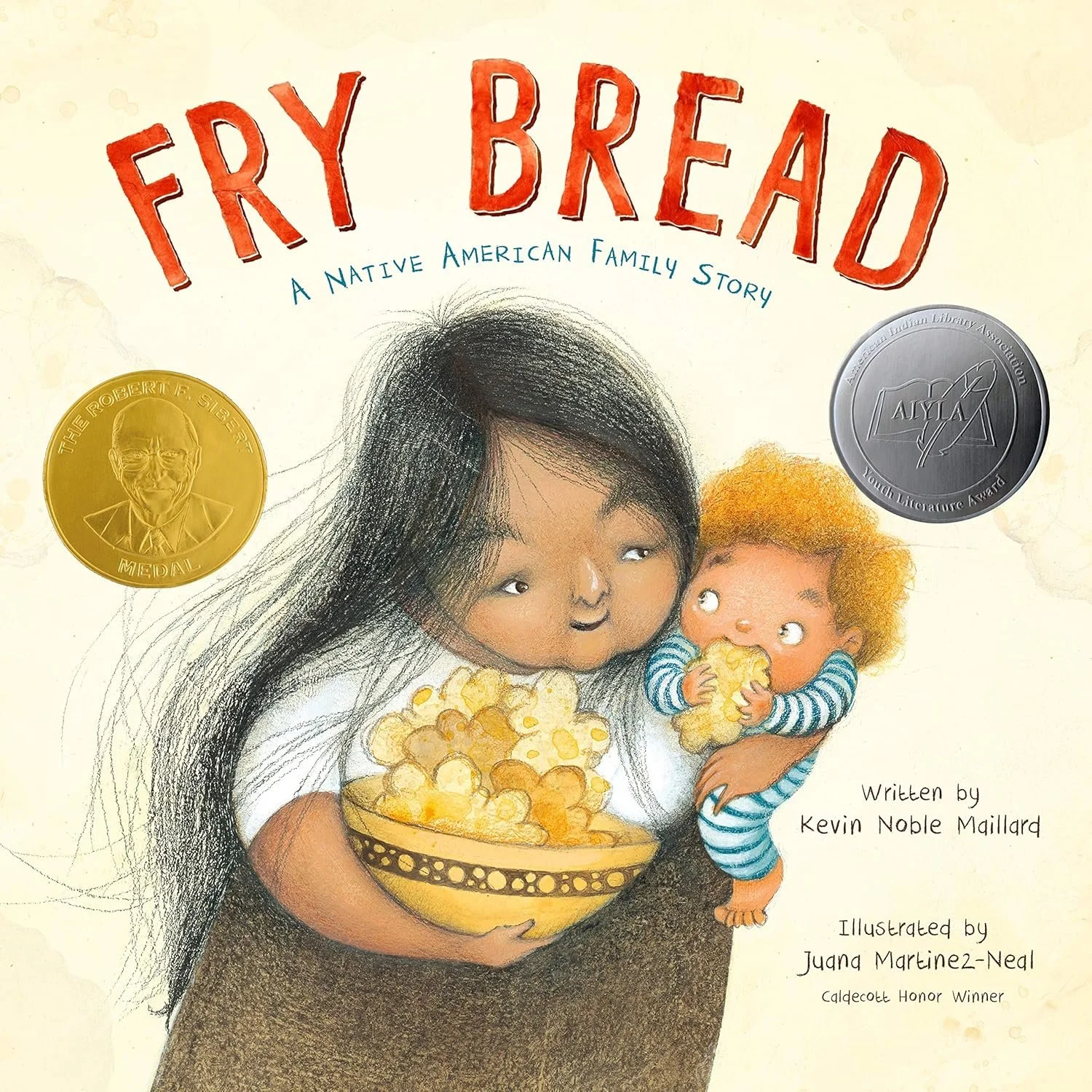
📖 "Fry Bread"
by Kevin Maillard
Food as memory, nation, and care. This book truly celebrates heritage and shows how a simple dish connects a community.
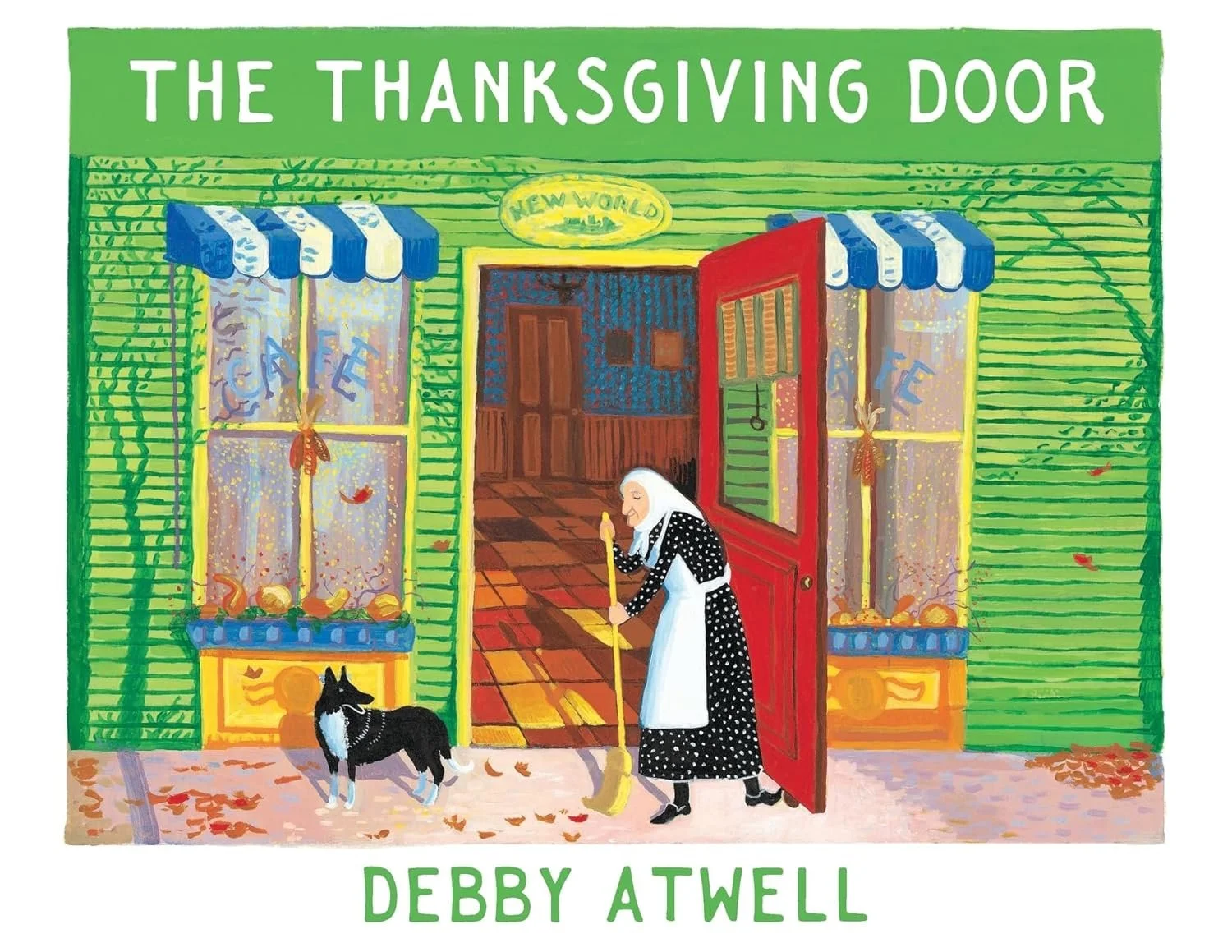
📖 "The Thanksgiving Door"
by Debby Atwell
An immigrant family throws open their restaurant to unexpected guests; a warm story of welcome, hospitality, and community.
💬 Final Thoughts
How to frame the truth with kids (age-appropriate & empowering)
Name the myth: “Some stories say the first Thanksgiving was a big, happy feast. The real history is more complicated and often unfair to Native people.”
Center reciprocity: “Many Native nations teach giving back when we receive—from the land and from each other.”
Honor the present: Native peoples are still here. Share contemporary stories (Sorell, Maillard, Goade) and avoid stereotypes/costumes.
Offer a small action: One thank-you card, one pantry donation, one land-care habit (litter pick-up, water saver).
Quick discussion prompts (home or class)
After Keepunumuk: “What does giving back to the land look like for us?”
After We Are Grateful: “What are three people/places we’re thankful for this season—and how can we show it?”
After One Is A Feast For Mouse: “What are you grateful for?
After Fry Bread or Berry Song: “How does food connect us to history and place?”
With stories and solidarity,
Kerri