
📚 Picture Books that Nourish: 8 Stories About Food, Sharing, and Community
Why this matters now: Food is more than dinner, it’s dignity, culture, and connection. With food insecurity still affecting millions of U.S. households, schools and families are building new habits of sharing, planning, and mutual aid. Picture books help kids see that communities can take care of each other—through a bowl of soup, a pantry visit, a garden bed, or a neighborhood meal. (USDA estimated 13.5% of U.S. households were food insecure at some point in 2023.)
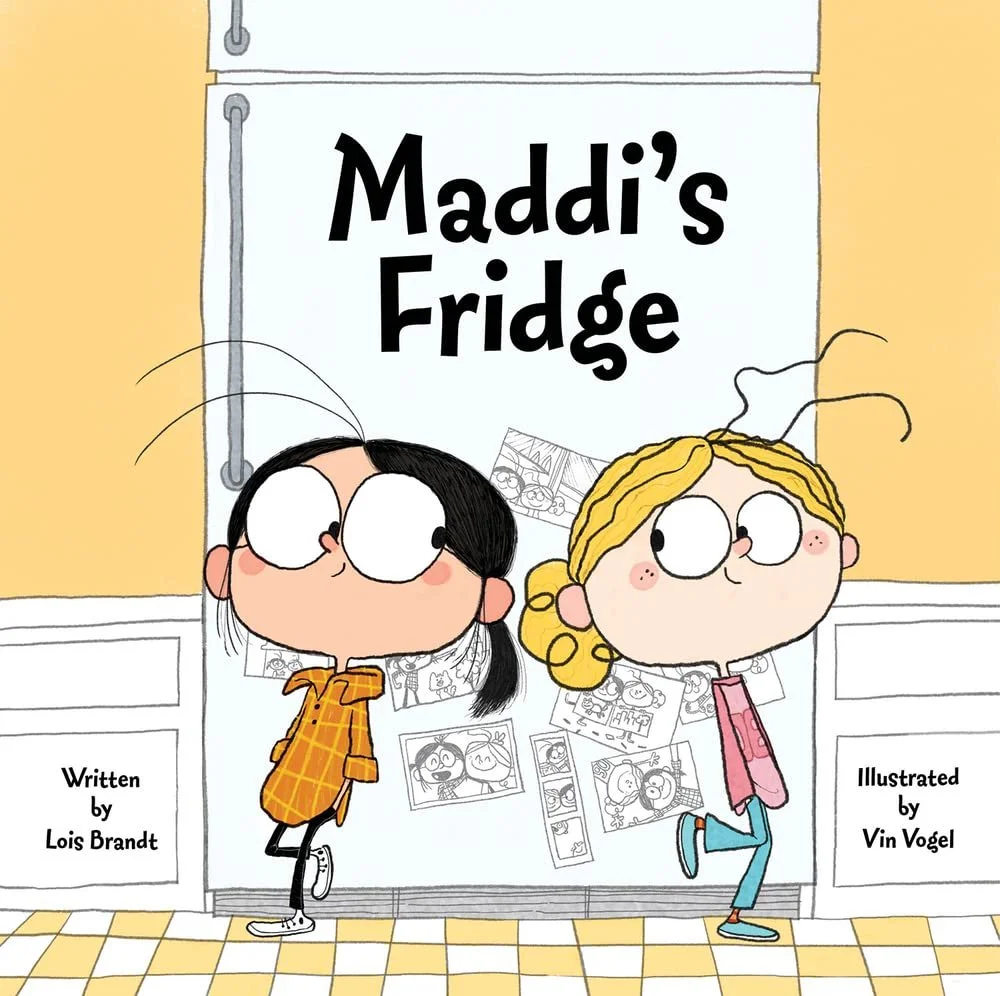
📖 "Maddi’s Fridge”
by Lois Brandt
A friend discovers an empty fridge and learns to respond with care, honesty, and concrete help.
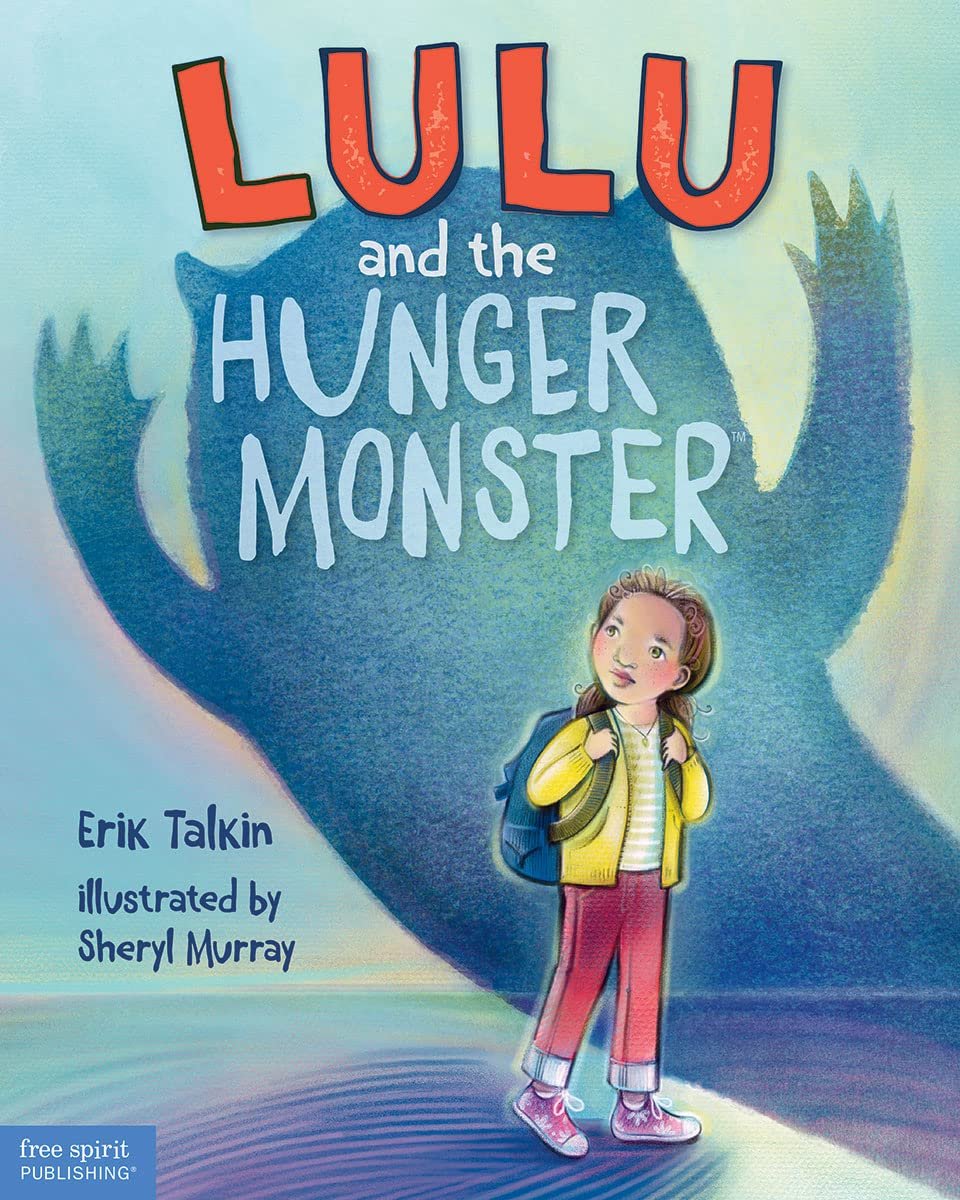
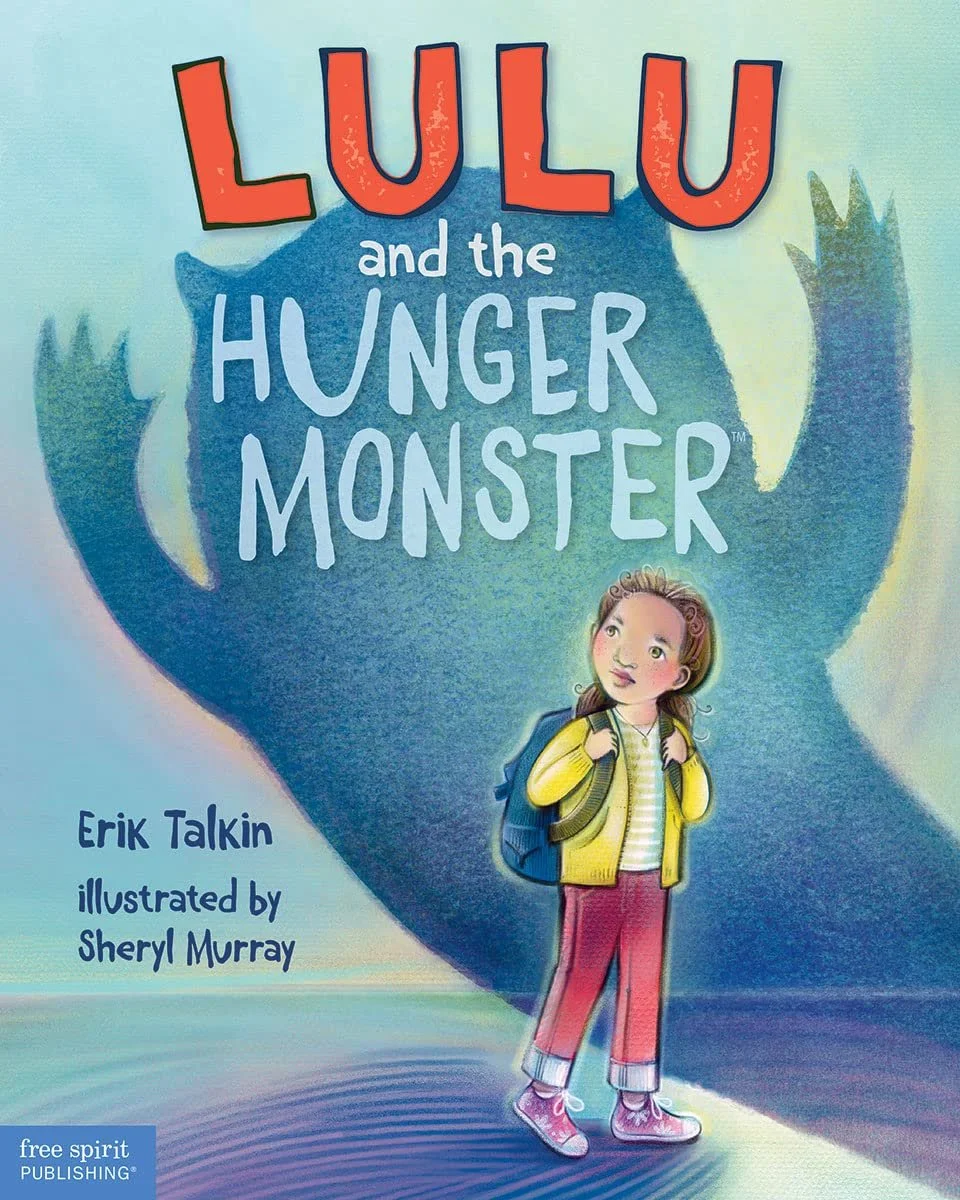
📖 "Lulu and the Hunger Monster"
by Erik Talkin
Names the problem (hunger) without blame and shows kids how to help. I love this title because it is ideal for de-stigmatizing need.
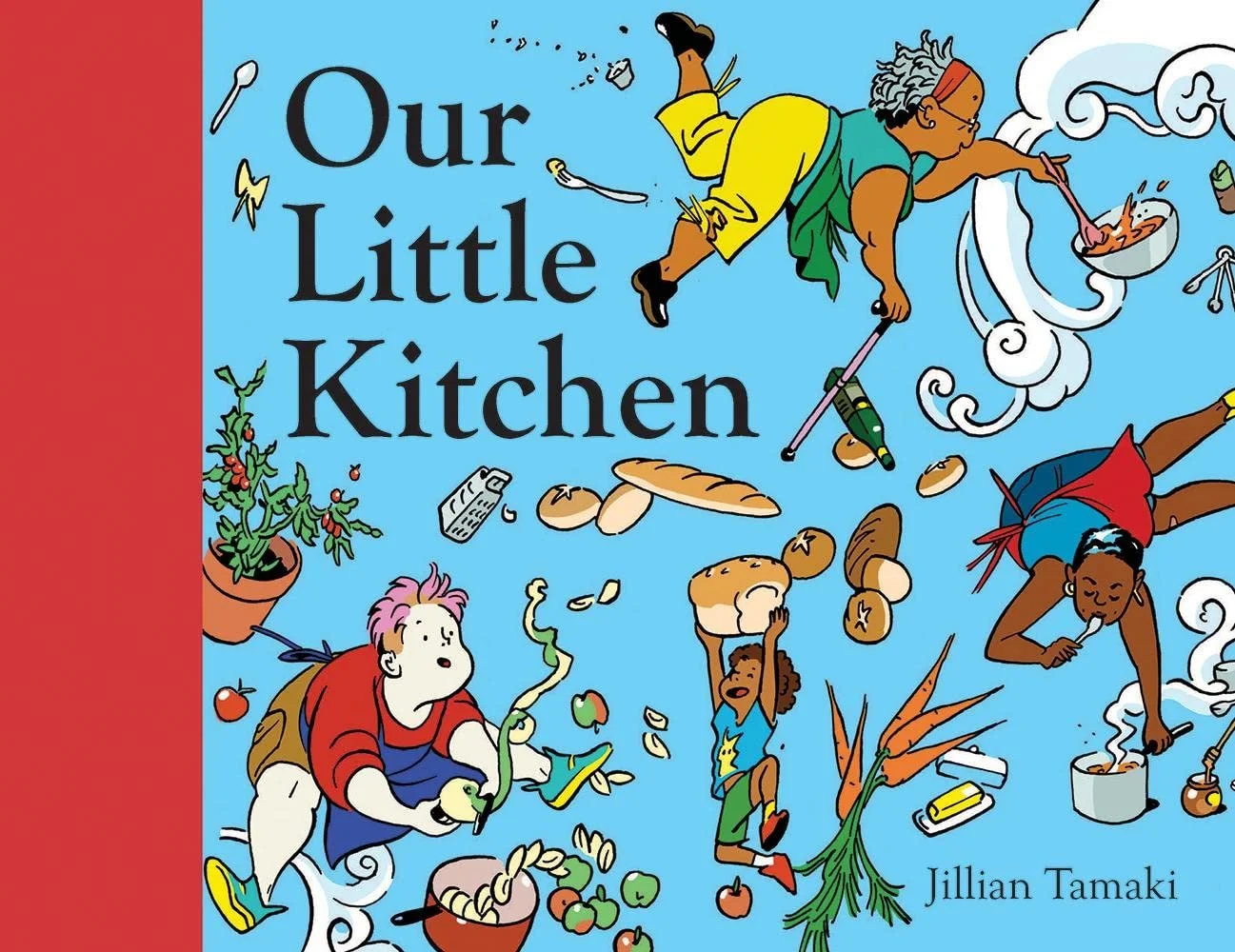
📖 “Our Little Kitchen”
by Jillian Tamaki
Neighbors turn donated produce into a shared meal. Joyful, hands-on collective action; includes notes that invite kids to cook and give.
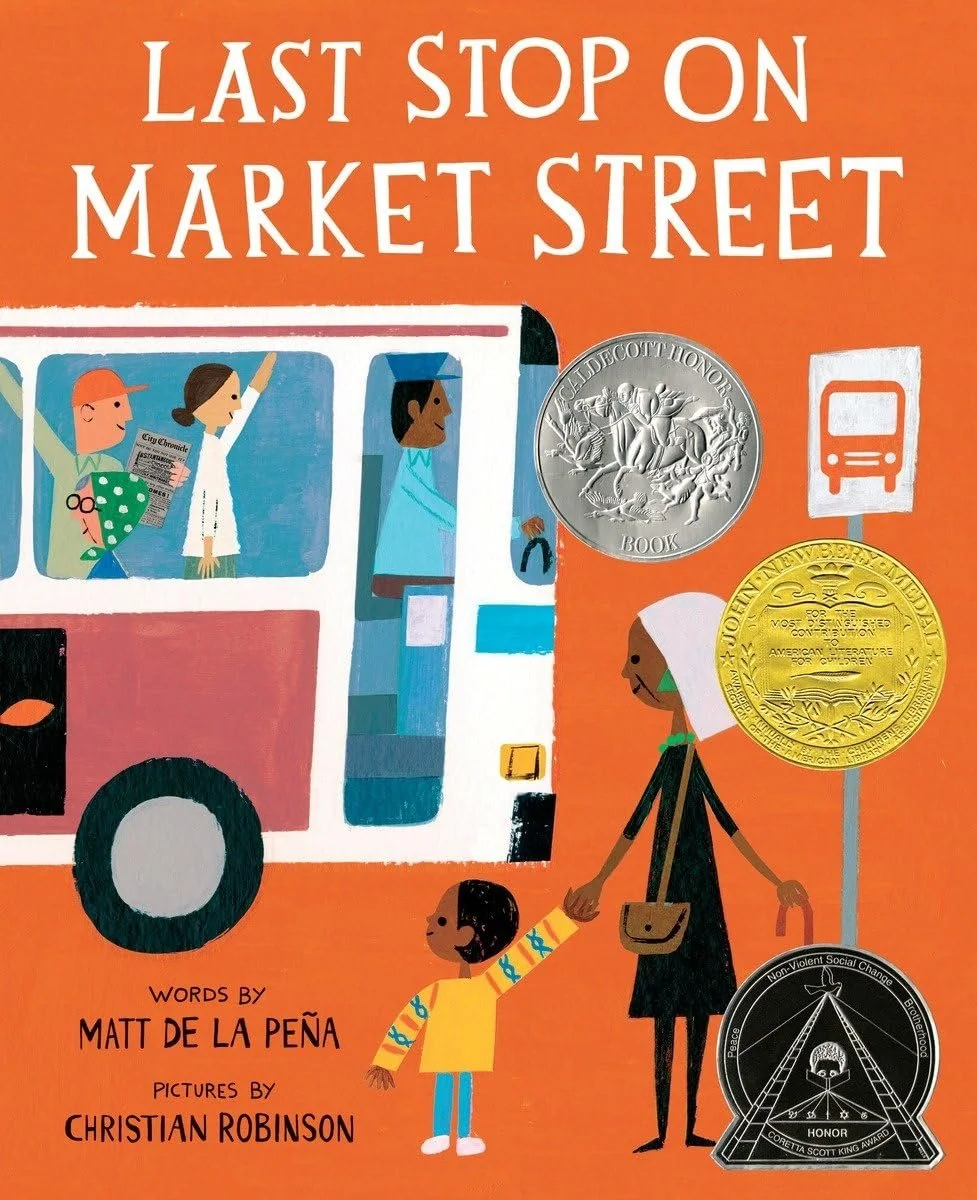
📖 "Last Stop on Market Sreet"
by Matt de la Pena
A bus ride with Nana becomes a lesson in noticing beauty, service, and neighbors. I use it to show that justice also looks like everyday kindness.
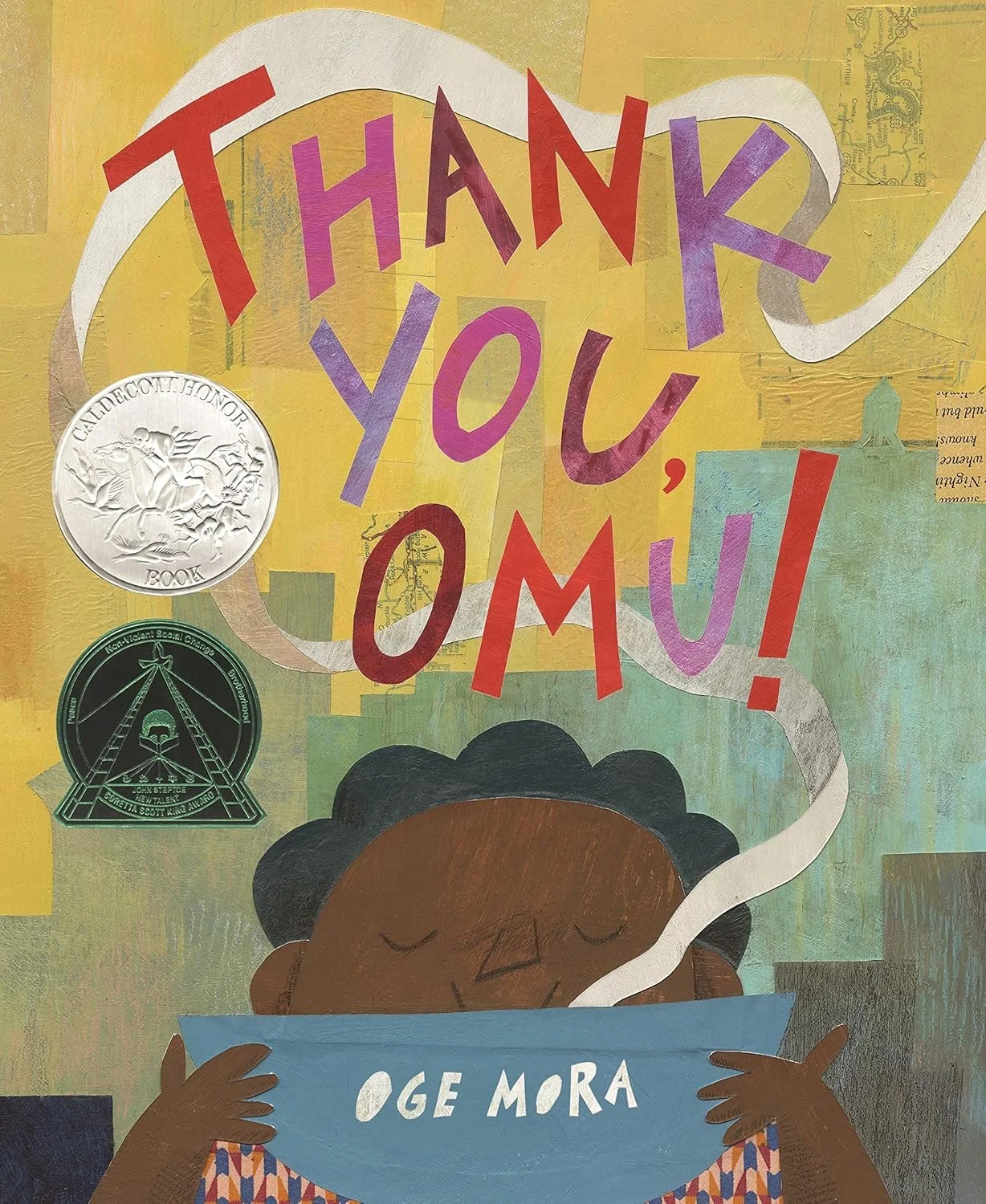
📖 "Thank You, Omu!"
by Oge Mora
Omu shares her delicious stew with the whole neighborhood; when her pot is empty, the community gives back. Perfect for discussing mutual care and the joy of “we.”
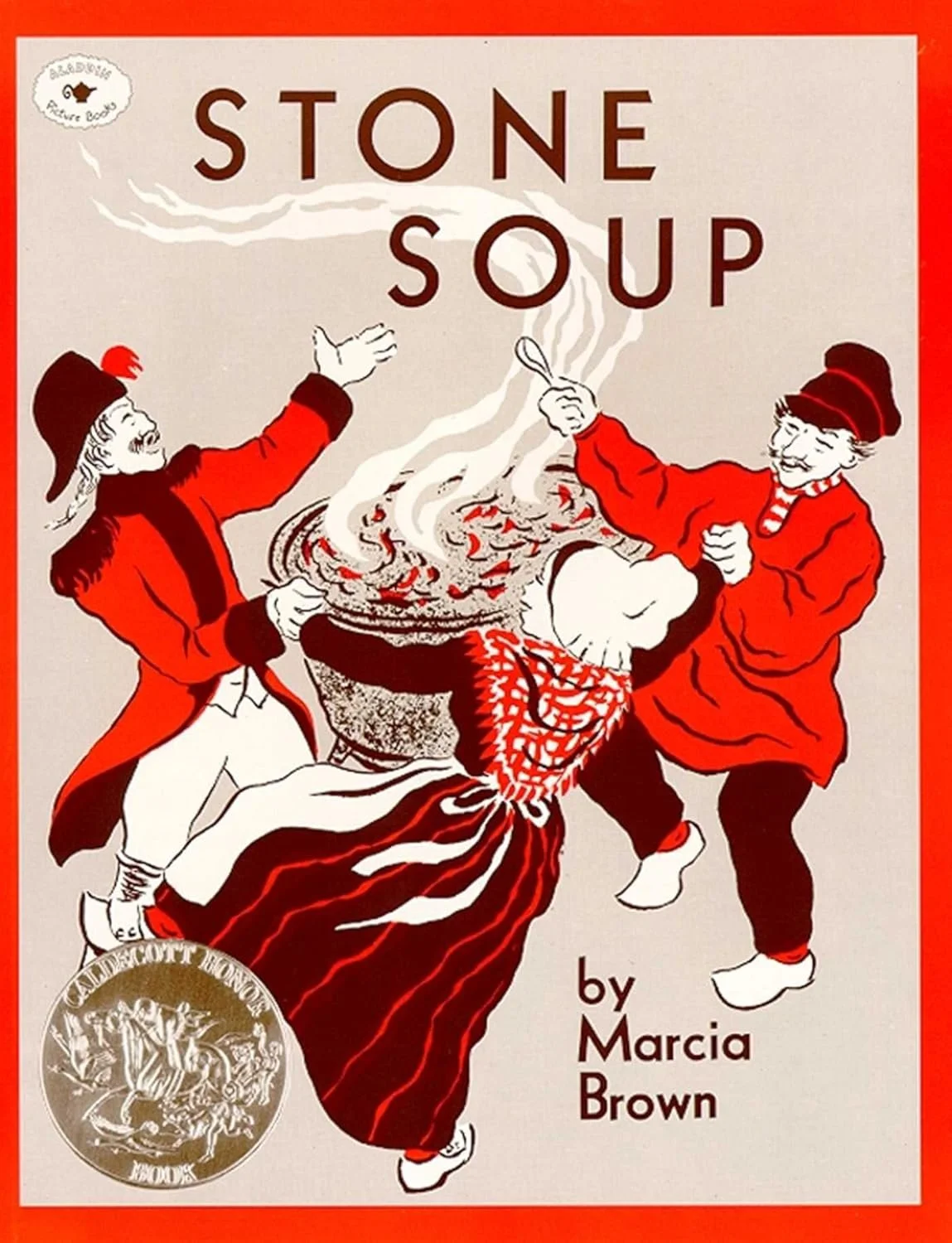
📖 "Stone Soup"
by Marcia Brown
A classic fable of resource sharing: each person adds a little; together, the village feasts. Great entry to talk to kids about barter and trade.
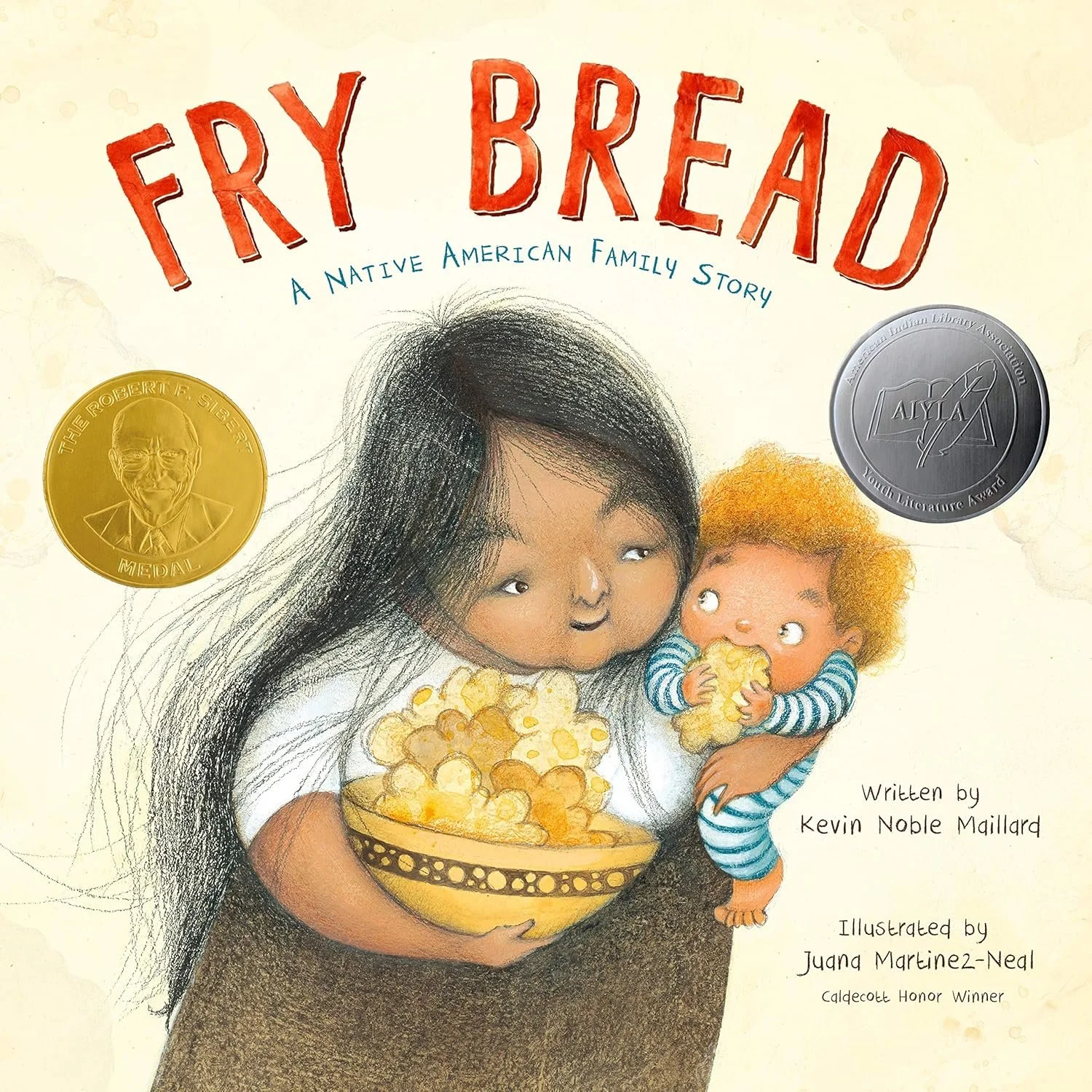
📖 "Fry Bread"
by Kevin Maillard
Food as memory, nation, and care. This book truly celebrates heritage and shows how a simple dish connects a community.
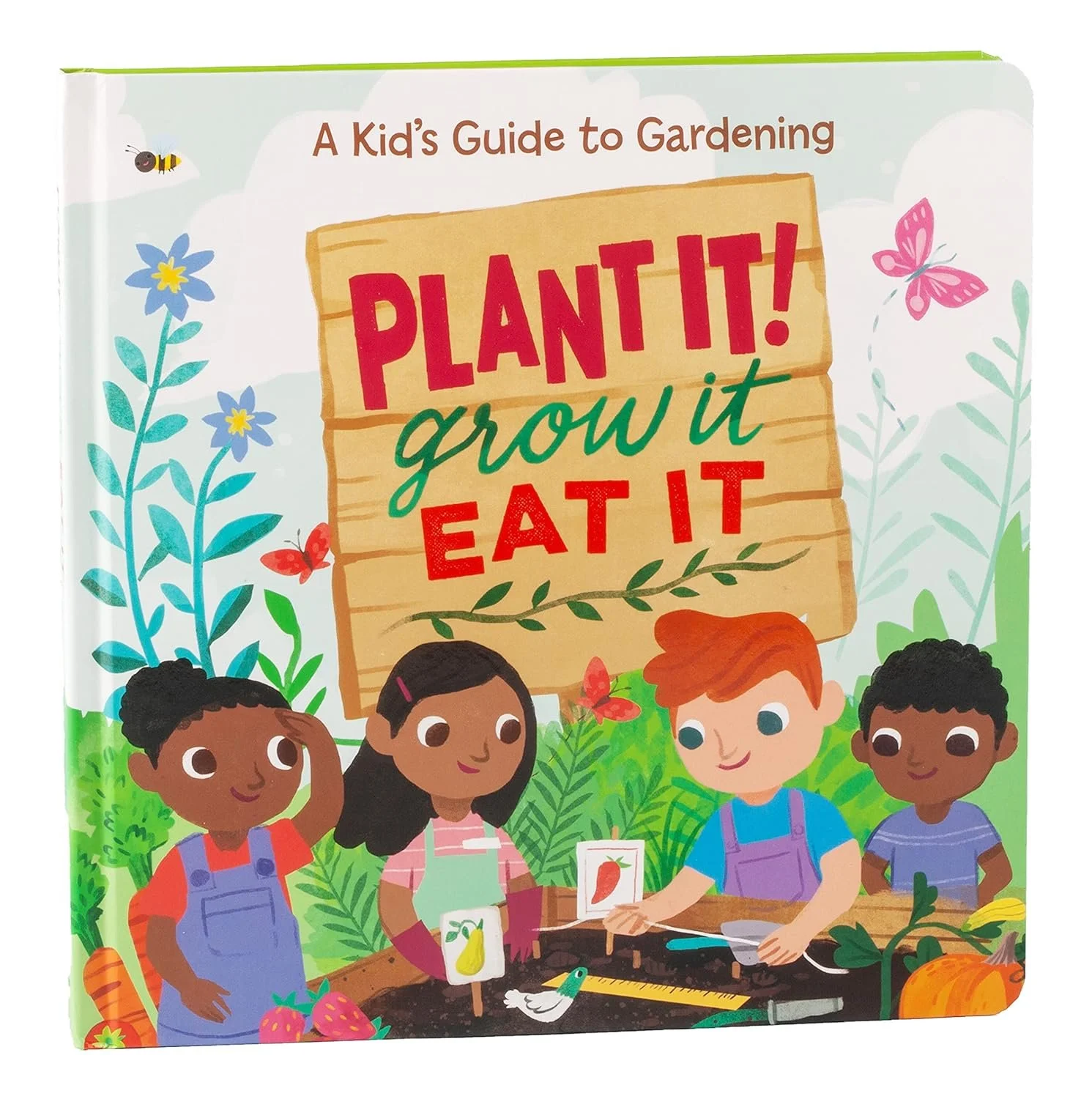
📖 "Plant it! grow it Eat it!"
by Ethan Safran
kid-friendly guide that shows how to plant seeds, care for a small garden, and turn the harvest into simple, tasty dishes. It celebrates farm-to-table eating, seasonal foods, and the idea that sharing what you grow builds community.
💬 Final Thoughts
Conversation starters (classroom or home)
Language for dignity: Try “food insecure,” “choosing from the pantry,” “community meal” instead of deficit labels.
Systems lens for kids: Pair stories with kid-sized facts about how pantries, SNAP, school meals, and community fridges work; connect to local examples.
Agency over anxiety: Always end with a doable action—one letter, one can, one garden task—so kids feel powerful, not worried.
Build the habit: from consumer to community
These stories nudge us to buy less, share more, and localize our support, choosing neighborhood businesses, co-ops, and farmers’ markets, and planning ahead together (bulk buys, meal trains, garden shares). The goal isn’t perfection; it’s a steady practice of neighbors helping neighbors that lowers waste, supports small producers, and keeps dignity at the center. To get started, use USDA’s directories to find a farmers’ market or on-farm stand near you.
With stories and solidarity,
Kerri